Wooden Farmhouse Embroidery Review
A Rustic Design That Feels Warm, Grounded, and Boutique-Ready
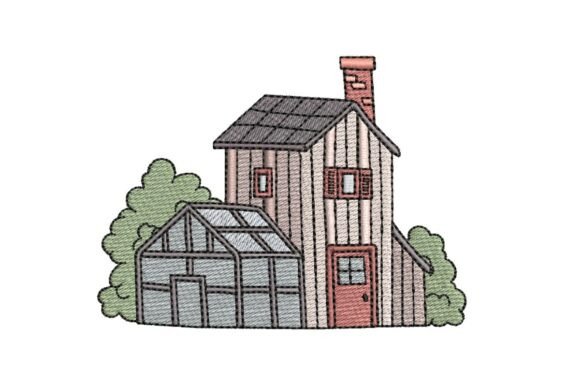
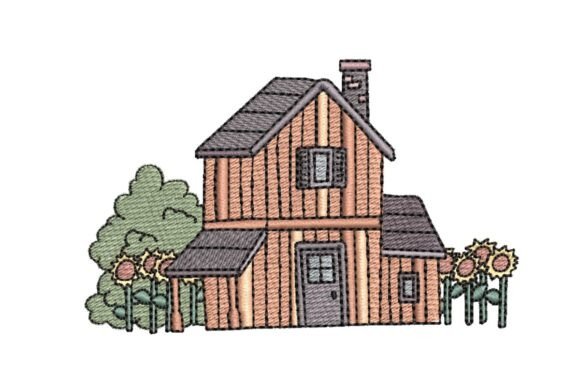
As an embroidery designer who’s developed collections for small apparel brands and Etsy sellers over the past decade, my first impression of Wooden Farmhouse was immediate: this isn’t just another farm-themed motif—it’s a cohesive, emotionally resonant scene. The tall rustic home with its companion greenhouse, nestled among leafy green bushes, reads as intentional storytelling—not decorative filler. The earthy tones and detailed stitches suggest careful digitizing, with layered textures that avoid flatness. It leans into quiet confidence rather than loud trendiness: classic enough for seasonal collections, rustic without leaning into kitsch, and warm without feeling overly feminine or cutesy. For boutique apparel, that balance is gold.
How Wooden Farmhouse Translates Across Apparel Types
I tested Wooden Farmhouse across several garment categories common in small-batch production—always thinking about how it would land in real customer hands and lifestyle photos.
- Sweatshirt & hoodie chest placement: On heather gray or oatmeal fleece, the design anchors the front beautifully—neither overwhelming nor shrinking away. Its vertical proportion works well centered above the left chest on oversized hoodies, where it gains subtle presence without competing with the garment’s relaxed silhouette.
- Sleeve accents: When resized to ~3.5” wide, the farmhouse holds clarity on sleeve cuffs (especially on structured cotton-blend hoodies), offering a quiet signature detail that rewards closer inspection—ideal for customers who appreciate thoughtful craftsmanship.
- Back designs: At full size, it shines as a gentle focal point on the upper back of crewneck sweatshirts or lightweight denim jackets. Paired with minimalist branding elsewhere, it creates visual rhythm without clutter.
- T-shirt embroidery: Works best on midweight or heavy cotton tees—not ultra-thin jersey. The stitch density carries well when stabilized properly, and the earthy thread palette avoids harsh contrast on cream or sage solids.
- Tote bags & lifestyle merch: On natural canvas or unbleached cotton totes, Wooden Farmhouse elevates handmade product photography. It reads clearly in printable mockups and social media thumbnails, reinforcing a cohesive brand mood—think “slow living,” “small batch,” or “country-rooted creativity.”
Where to Use Wooden Farmhouse Thoughtfully
This design has presence—but not invincibility. As with any Creative Fabrica embroidery file meant for commercial use, smart placement matters.
On stretchy fabric like ribbed knits or soft fleece, I recommend testing on scrap first—especially around the greenhouse roof and window details, where tight stitch clusters may shift if tension isn’t dialed in. For dark garments, verify your thread color choices align with the intended earthy palette; a slightly muted olive or warm taupe often reads truer than saturated greens. Avoid placing it directly over seams or curved surfaces like shoulder yokes unless you’ve confirmed hoop stability and fabric behavior. And while the design feels substantial, it’s not built for micro-placement—skip using it below 2.75” wide, especially on t-shirts, where fine bush details can blur.
Design Strengths That Support Brand Identity
What makes Wooden Farmhouse more than just a pretty motif? It quietly reinforces trust. Customers browsing Etsy or small shop sites respond to consistency—and this design delivers visual coherence across sweatshirt embroidery, tote bags, and even digital assets like printable mockups. Its tone supports a boutique brand voice that values authenticity over flash: no neon, no exaggerated scale, no forced whimsy. That builds recognition. Repeat buyers begin to associate the farmhouse silhouette with your aesthetic—especially when paired with complementary neutral apparel and restrained typography.
For creative entrepreneurs building a seasonal capsule—say, a fall collection themed around “harvest, hearth, and home”—Wooden Farmhouse becomes a versatile anchor. It pairs naturally with simple monogrammed initials, minimalist botanical borders, or even blank space. That flexibility means less design fatigue and more time spent on production, photography, and customer connection.
Practical Notes Every Embroidery Designer Should Check
Before cutting into your first batch of premium fabric, here’s what I always do with a new Creative Fabrica embroidery file like Wooden Farmhouse:
- Test on scrap fabric that matches your final garment’s weight and texture—especially if using fleece, French terry, or ribbed knit.
- Confirm stabilizer choice: A medium-weight cutaway works best for dense areas like the roofline and bush foliage; tear-away may shift on stretchier substrates.
- Review thread color contrast against your base fabric—earth tones can recede on deep charcoal or rich navy unless you add a subtle underlay or adjust top thread saturation.
- Inspect stitch density in the greenhouse panes and bush outlines—tighter areas benefit from slower machine speed and sharp needles (size 75/11 or 80/12).
- Compare placement options on a few mockup garments—chest, sleeve, back—to see where the design’s narrative lands strongest for your audience.
- Check Creative Fabrica product details thoroughly before selling finished apparel—confirm licensing terms for commercial embroidery and review any included formats or instructions.
Final Thoughts for Small Shop Owners and Creative Entrepreneurs
Wooden Farmhouse won’t shout—but it will linger. In a market flooded with fast, generic embroidery files, this one earns its place in a curated collection. It’s the kind of machine embroidery design that invites pause, that fits naturally into lifestyle product photos, and that customers remember because it feels *meant* for the garment—not stapled on after the fact. Whether you’re launching a cozy seasonal line, building an Etsy shop identity, or adding depth to your custom apparel offerings, Wooden Farmhouse brings grounded charm without sacrificing polish. Just remember: let the fabric, stabilizer, and thread choices support its quiet strength—not compete with it.