Bow Embroidery Design Review
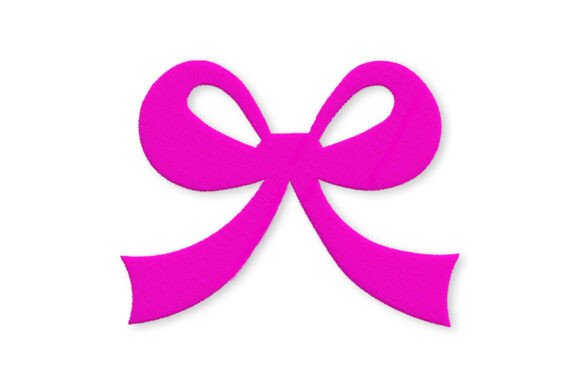
The Bow embroidery design offers a versatile and stylish option for small business merch, branded patches, and custom apparel. As an experienced embroidery designer, I’ve evaluated how this design performs in real-world applications, from staff uniforms to product packaging accents. Below is a detailed review of its strengths, limitations, and best use cases.
First Impression: A Versatile and Elegant Design
The Bow embroidery design exudes a sense of elegance and professionalism. Its clean lines and simple shape make it ideal for businesses looking to add a touch of sophistication to their merchandise. Whether used as a chest logo or a sleeve detail, Bow feels modern yet timeless. It’s not overly decorative, which makes it suitable for both casual and premium brand identities.
From a visual standpoint, Bow has a friendly and approachable vibe, making it perfect for boutique shops, cafes, and handmade brands. It can be adapted to fit various styles—whether you're going for a rustic look or a polished, high-end appearance.
Real Business Use: From Patches to Tote Bags
As a machine embroidery design, Bow works well across a wide range of accessories and garments. Small business owners, Etsy sellers, and crafters can easily incorporate it into their product lines. For example:
- Embroidered Patches: Bow makes a great patch for caps, jackets, and aprons. It’s bold enough to stand out but subtle enough to complement other design elements.
- Cap Embroidery: When placed on the front of a cap, Bow adds a refined touch without overwhelming the design. It pairs well with other logos or text.
- Tote Bag Design: The design translates well onto fabric, making it a strong choice for reusable tote bags. It adds a professional finish that enhances the overall appeal of the product.
- Apron Embroidery: Bow can be used as a subtle accent on aprons, especially in bakeries, cafes, or creative studios where a touch of class is desired.
- Product Packaging Accents: Using Bow on product labels or packaging adds a cohesive and branded look that elevates the customer experience.
This design is also effective for commercial embroidery projects, such as staff uniforms or event merch. Its simplicity ensures it remains legible and visually appealing across different materials and sizes.
Where to Use with Caution
While Bow is a strong design, there are certain scenarios where it may not perform as well:
- Small Patch Sizes: At very small sizes, the details of the bow may become too delicate, leading to a loss of clarity.
- Curved Surfaces: If applied to curved areas like a cap brim, the design might stretch or distort slightly.
- High Stitch Density: If the design requires a lot of stitches, it could lead to puckering or uneven stitching on certain fabrics.
- Dark Uniforms: Depending on the thread colors used, Bow may not stand out clearly against dark backgrounds.
- Frequent Washing: Items with this design should be washed carefully to maintain the integrity of the embroidery.
It’s important to test the design at different scales and on various fabrics before mass production to ensure it meets your quality standards.
Bow and Brand Identity: Building Trust and Recognition
Brand identity is crucial for small businesses, and the right embroidery design can significantly impact how customers perceive your products. Bow helps reinforce a consistent and professional image across all merchandise. Whether it's used on a customer gift or a branded tote bag, it contributes to a cohesive visual language that builds trust and recognition.
For handmade brands, Bow adds a polished touch that elevates the perceived value of your products. It can also enhance the presentation of your items, making them more attractive to potential buyers on platforms like Etsy or at local markets.
Practical Tips for Embroidery Designers
As a professional embroidery designer, here are some key considerations when working with the Bow embroidery design:
- Test in Black and White: Before choosing thread colors, test the design in black and white to ensure it maintains its structure and clarity.
- Check Small Patch Size: Confirm that the design looks good at the smallest size you plan to use it for, especially if it will be a patch or label.
- Review Thread Color Contrast: Choose thread colors that contrast well with the fabric to ensure visibility and longevity.
- Inspect Spacing: Ensure the design is spaced properly to avoid overcrowding or distortion during stitching.
- Confirm Hoop Size: Verify that the design fits within your hoop size to avoid re-hooping or resizing.
- Test on Real Fabric: Always test the design on the actual fabric you’ll be using to check for any issues with stitch density or fabric texture.
- Use Proper Stabilizer: A good stabilizer prevents puckering and ensures a smooth finished product.
- Create a Mockup: Develop a printable mockup to show clients or for your own reference before proceeding with production.
- Compare with Other Design Assets: Ensure the design aligns with your existing branding and other design assets.
- Confirm Commercial Licensing: Before using the design for business purposes, verify that it comes with the appropriate commercial embroidery license.
Conclusion: A Reliable Choice for Small Business Merch
The Bow embroidery design is a reliable and adaptable option for small business owners, embroidery shops, and handmade brands. It balances style with functionality, making it suitable for a wide range of applications—from apron embroidery to tote bag designs. With proper testing and consideration, it can enhance your brand identity and elevate the quality of your merchandise.
Whether you're creating custom apparel, embroidered patches, or branded product labels, Bow offers a professional and elegant solution that supports your business goals. Always remember to review the design’s specifications and licensing before moving forward with production.