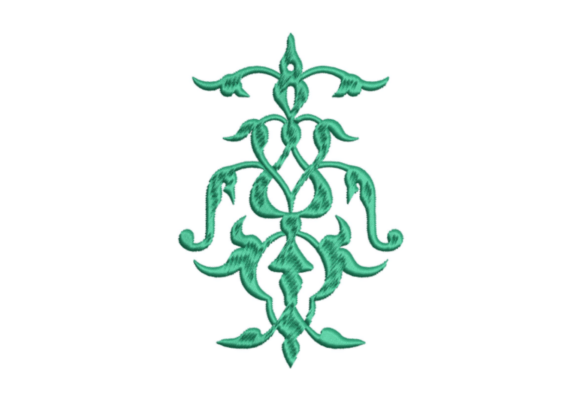
Elegant Motif: A Designer’s Real-World Stitch Test
First Impressions: Ornamental, Not Overwhelming
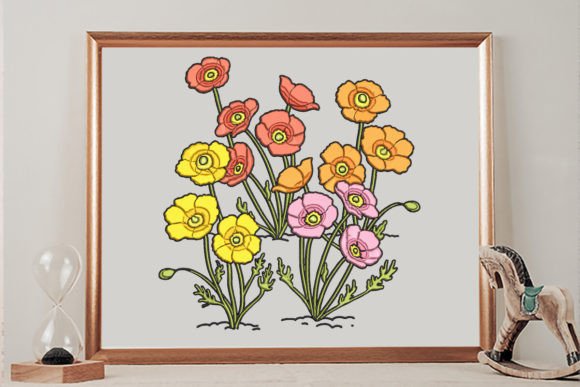
Opening Elegant Motif for the first time, I didn’t see “just another flower.” I saw a single-flower composition with breathing room—balanced negative space, graceful curvature in the petals, and subtle layering that suggests depth without demanding excessive stitch density. It reads as refined, not fussy; delicate, but not fragile. That’s rare in Single Flowers embroidery designs, where many lean too hard into either botanical realism or minimalist abstraction. Elegant Motif lands squarely in the sweet spot: ornamental charm with quiet confidence. It feels like something you’d choose for a boutique baby onesie—not to shout, but to whisper care.
A Real Project Check: The Linen Tote Bag Trial
Last week, I stitched Elegant Motif onto a natural linen tote for a local café’s small-batch gift set. Why linen? Because it’s unforgiving—loose weave, low thread count, prone to puckering if stabilizer or stitch density isn’t dialed in. I used medium-weight cutaway stabilizer, 40-weight rayon thread in soft sage and cream, and ran it at 75% speed on my commercial machine. The result? Crisp satin-stitched petal edges, smooth fill-stitch centers with no skipped stitches, and zero distortion around the calyx. Customers picked up the tote, traced the motif with their fingers, and commented on how “intentional” it felt—not mass-produced, but thoughtfully placed. That’s the handmade product halo Elegant Motif delivers when executed well.
Where It Shines (and Where It Asks for Care)
Elegant Motif excels on structured, medium-weight fabrics: cotton twill aprons, midweight sweatshirt fleece, pillow covers with tight weaves, and tea towels with a smooth finish. Its scale—neither sprawling nor miniature—makes it ideal for centered chest embroidery on crewnecks, upper-back placement on totes, or corner accents on nursery blankets. As a machine embroidery design, it avoids dense fill areas that trap lint or cause thread breaks on home machines, and its clean outlines translate clearly even in black-and-white printable mockups for Etsy listings.
That said, it’s not universally forgiving. On highly textured fabrics—like bouclé knit or heavy terry cloth—the fine petal definition can blur. On thin or stretchy fabric (think lightweight jersey tees), skip the satin stitch unless you add tear-away + wash-away stabilizer combo—and even then, test first. Dark fabric demands thoughtful thread color selection: avoid near-black threads that disappear into shadows, and steer clear of overly bright neon accents that clash with its serene mood. And while it works beautifully on flat surfaces, cap fronts or curved sleeves require re-hooping precision—those outer petal curves need consistent tension, or they’ll pull slightly inward.
Commercial Use: Trust, Value, and Quiet Branding
I’ve used Elegant Motif across three client categories: a children’s boutique needing holiday embroidery for organic cotton burp cloths, an apparel decorator sourcing custom sweatshirt embroidery for a wellness brand, and my own craft business selling personalized pillow covers. In each case, customers responded not just to the floral theme—but to how *resolved* the finished product looked. No jagged edges. No floating threads. No “digital artifact” feel. That polish builds trust. When buyers see Elegant Motif on a $48 hand-stitched pillow cover, they don’t question the price—they recognize the intention behind it.
For Etsy sellers and small shop owners, this design supports strong visual storytelling. It photographs cleanly on light and dark backgrounds, scales well in digital embroidery file previews, and pairs effortlessly with neutral palettes—making it easy to maintain brand consistency across seasonal collections. It doesn’t dominate a garment; it elevates it. That subtlety is gold for boutique branding, especially when paired with minimalist typography or natural fiber materials.
Designer Notes You Can’t Skip
- Always test on scrap fabric—especially if using textured, dark, or stretchy material. What looks perfect on screen may shift subtly in thread and tension.
- Review stitch density before hooping. Elegant Motif avoids extreme density, but check for any tiny interior details (like stamen lines) that may need slight digitizing tweaks for your machine’s capabilities.
- Confirm hoop size compatibility. While it fits comfortably in a 4x4 hoop, verify whether your version includes alternate sizes—some iterations offer 3x3 for patches or 5x7 for larger applique design flexibility.
- Inspect small details at actual stitch-out size. Zoom in on the PDF preview, but more importantly, run a quick baste stitch on fabric to confirm petal tips and leaf veins read clearly.
- Test contrast in both light and dark thread combos. Try Elegant Motif in tonal neutrals first—then experiment with one accent color (like muted terracotta or dusty blue) to see how it affects perceived warmth and giftability.
- Verify licensing terms before selling finished items or reselling the digital embroidery file. The description mentions “Enchanted Elegance,” but licensing scope isn’t stated—always double-check before scaling your craft business or adding to your design assets library.
Final Thought: Less Is Truly More Here
Elegant Motif won’t dazzle with flash or novelty—but that’s its strength. In a market saturated with oversized florals and over-digitized motifs, it offers clarity, restraint, and quiet craftsmanship. It’s the kind of embroidery file that makes a simple cotton tea towel feel like a curated gift, or turns a plain sweatshirt into a keepsake. Whether you’re stitching for a newborn’s coming-home outfit, prepping holiday embroidery for your Etsy shop, or building a cohesive line of small shop products, Elegant Motif earns its place not through volume, but through voice: calm, considered, and unmistakably handmade.