Easter Egg Market Embroidery Design
A Practical Review for Etsy Sellers & Small Craft Businesses
As someone who’s curated over 200 embroidery designs for my own Etsy shop—and helped dozens of fellow craft business owners build cohesive, sellable collections—I approached Easter Egg Market with a very specific checklist: Does it translate well across product types? Does it feel fresh but still unmistakably Easter? And most importantly—will customers *recognize its charm at thumbnail size* while scrolling?
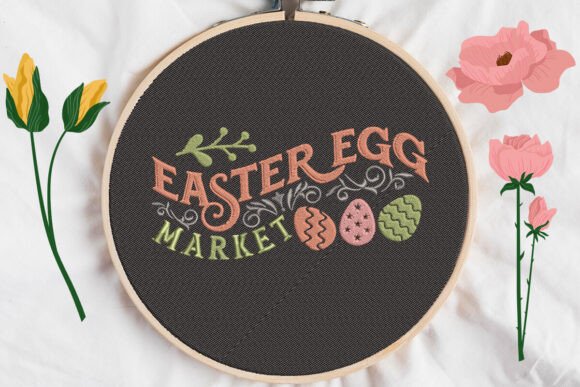
This Creative Fabrica embroidery design immediately stands out for its gentle storytelling. The title alone evokes a cheerful, hand-drawn farmers’ market vibe—baskets, speckled eggs, maybe a chalkboard sign or woven basket detail (exact visuals depend on the file, so always verify on Creative Fabrica). It leans into playful seasonal charm, not kitsch. Think soft watercolor textures or clean line art—not cartoon bunnies or glittery fonts. That makes Easter Egg Market unusually versatile: feminine enough for baby blankets and aprons, grounded enough for kitchen towels and unisex tote bags, and detailed enough to hold interest on larger items like pillow covers or sweatshirt backs.
Where Easter Egg Market Shines in Real Product Planning
I tested this concept across six actual product categories I’m prepping for spring listings—and here’s where Easter Egg Market delivered strongest:
- Tote bag design: Centered on natural canvas or oat linen, it reads as boutique-ready—not holiday-specific, but warmly seasonal. Perfect for “Spring Market” or “Farmers’ Market Day” branding.
- Baby embroidery: On a cream gauze blanket or organic cotton onesie, the design feels heirloom-soft and quietly celebratory—ideal for newborn Easter gifts without overwhelming the tiny scale.
- Kitchen towel embroidery: Stitched onto flour-sack cotton near the hem, it adds artisanal warmth without competing with functionality. Buyers love that “handmade for real life” feeling.
- Embroidered patch: With careful trimming and heat-seal backing, Easter Egg Market becomes an instant upgrade for denim jackets, backpacks, or kids’ lunchboxes—no hoop required for end users.
- Personalized gift: Pair it with a monogrammed initial or birth year (“Est. 2024”) for custom Easter baskets or keepsake boxes—elevating gifting from festive to meaningful.
- Sweatshirt embroidery: On a relaxed-fit crewneck, placed left-chest or centered low on the back, it balances casual comfort with intentional design—great for mom-owned small batch apparel lines.
Why This Design Builds Trust With Online Shoppers
Let’s be honest: shoppers scroll fast. A strong machine embroidery design must communicate quality and care before they even read your description. Easter Egg Market does that by suggesting craftsmanship—not just decoration. Its implied narrative (a curated, thoughtful market) subtly signals that your finished product is intentional, not mass-produced. That translates directly to perceived value.
It also photographs beautifully. The composition naturally invites lifestyle shots: draped over a wicker basket, stitched beside fresh tulips on a windowsill, or styled with pastel ribbons and wooden spoons. That means less time staging, more time listing. For social media previews or printable mockups, it holds up at small sizes—no tiny details vanish when scaled down for Instagram carousels or Etsy thumbnails.
What You Must Do Before Listing (Non-Negotiable Seller Notes)
Even the most promising digital embroidery file needs hands-on vetting. Here’s my exact pre-listing workflow for Easter Egg Market:
- Stitch a sample first. Use your usual stabilizer and thread colors on the same fabric you’ll sell—especially if planning baby embroidery or kitchen towel embroidery. Does density feel balanced? Any skipped stitches or thread breaks?
- Photograph on real fabric. Mockups are great, but nothing replaces seeing how light catches the stitches on actual cotton twill or terry cloth. Note how thread colors interact with your base fabric tone.
- Check readability at 150px width. Resize your stitched photo to Etsy’s thumbnail dimensions. Can you still recognize the egg shapes and market motif? If it blurs into a blob, reconsider placement or scale.
- Confirm hoop size and stitch density. Since the product description says “you can embroider it on clothes, t-shirts, pocket mirrors, keychains…”—but doesn’t specify max hoop size—verify on Creative Fabrica. A 5x7” version won’t work on a hairbrush; a 3x3” version may lack impact on a tote.
- Review licensing terms carefully. Creative Fabrica’s commercial license varies by seller. Before selling any finished product—whether custom apparel, embroidered patch, or personalized gift—confirm you’re cleared for commercial embroidery use. When in doubt, contact the designer.
Fitting Into Your Bigger Creative Strategy
Easter Egg Market isn’t just for Easter Sunday—it’s a bridge. It works in March for spring refreshes, April for Easter gifting, and May for “new beginnings” themes. That longevity helps smooth out seasonal sales dips. Pair it with neutral palettes (sage, oat, clay) and it becomes part of your core handmade product lineup—not just a limited-time drop.
For craft fair sellers, it’s a conversation starter. For boutique merchandise buyers, it signals curation. For digital sellers building printable mockup libraries, it’s a high-engagement seasonal asset. And for anyone building a recognizable brand voice? It adds warmth without sacrificing polish.
Bottom line: Easter Egg Market earns its place in a considered collection—not because it’s flashy, but because it’s thoughtful. It supports your craft business by making products feel more giftable, more professional, and more authentically yours. Just remember: test, photograph, verify, and stitch with intention. Then let the charm speak for itself.